
Safety and Risk Management
This module is designed to guide you through the important topics of safety and risk management. We encourage you to visit the sections most relevant to you using the hyperlinks below.
Introduction
Safety and Risk Management
Must Read Articles
Resources and Support
Disclaimers
References
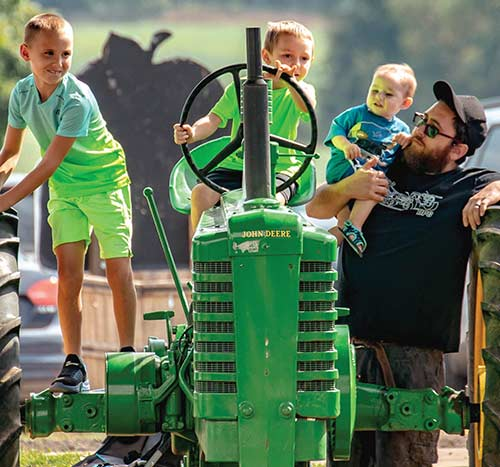
Key Take Aways
- Safety must be a top priority. If your farm is open to the public, it is essential that the safety of everyone on the farm is your primary focus.
- Injuries and accidents will undoubtedly occur on your farm. As an agritourism operator, you need to be prepared for this and have procedures in place, so that your employees know what to do should something occur. Be sure to have a reporting process in place, so that employees know how to document what has occurred.
- Completing incident/accident reports is highly recommended. Regardless of whether there was an actual injury, documentation is essential. If there was an injury, your insurance company will need this information.
- Prevention is the key and is the best way to reduce risk. Take the time to evaluate your operation and assess potential areas of risk. Develop a plan to minimize those risks. Create a culture of safety at your farm, train your employees and educate your guests. Check your physical premises regularly and keep good records. Plan ahead for emergencies, as they will happen.
- An often-overlooked area of risk is physical security. Small businesses are vulnerable to theft and break-ins from unsecured doors, items left out in the open, large amounts of cash at certain times, operating with fewer staff, and inadequate security systems. There are simple and less costly solutions to help such as staff training, conducting a physical assessment of your property and buildings, keeping doors locked, using barriers, having staff protocols, and more.
- Talk with your insurance agent regarding the best practices and safety protocols that they recommend or require.
INTRODUCTION
Why are Safety and Risk Management so Important?
Running any type of farming operation involves a variety of risks (safety while using farm machinery, proper application of pesticides, etc.). Running a farm that is open to the public involves additional risks, most notably, the potential for injuries to visitors who spend time on your property. Whether guests are coming for a quick visit to purchase produce, attend an event or participate in farm activities, like u-pick, there is always the potential for an accident and injury to happen on the farm.
It’s important to understand that visitors are often unfamiliar with agriculture and this may be their first visit to a farm. What may be common sense to you, may not be common sense to someone who is a first-time visitor. Even if a guest is a frequent visitor, they still may be unaware of risks that are second nature to farmers and their employees.
Keeping your employees and visitors safe is of paramount importance. As an agritourism operator, you are responsible for the safety and welfare of individuals from the moment they step foot onto the farm. There is always the risk of injury or harm when visitors are near animals, riding on equipment, being in orchard areas, or engaging in other physical activities, and it is your responsibility to follow risk management practices to keep everyone safe.
Because of this, it is essential that farmers do their “due diligence” by making the safety of guests their top priority. Accidents may still occur, but there are many things you can do to limit these risks, make occurrences less likely, and make your farm a safe and enjoyable place for all.
SAFETY AND RISK MANAGEMENT
Safety is Job #1
This cannot be overstated. If you welcome visitors to your farm, you need to be sure that it is a safe place to visit. Don’t put this aside and plan to get to it later. This is Job #1 before you even open your doors.
What are the Risks?
All kinds of things can happen on a farm. People can get hurt from things are no fault of the owner, like bee stings, some trips and falls, certain medical events, etc. People can also get hurt from things that may be the fault of a farmer, like leaving a large pothole in a walkway, not following food safety protocols, not drying a wet, slippery floor or driving a wagon ride recklessly, etc. In most cases, no one intends for anyone to get hurt, but that does not release a farmer from the responsibility of ensuring the farm is safe at all times.
A variety of events can occur, including: 1) ones in which no personal injury or illness occurs, 2) ones in which an injury, illness or property damage is caused, or 3) an emergency, in which immediate action must be taken. Farm policies should be in place to direct employees of how to handle each type of event, including completing incident reports.
Additionally, there are other types of risks that agritourism farmers may encounter, including business interruptions (due to weather or other events, and economic conditions), production risks (due to pests, crop damage, etc.), legal risk and more. As with any type of operation, risks are a part of the cost of doing business.
Prevention and Safety Protocols
Prevention is key and will reduce your risks and save you headaches, time and money in the long run. Setting safety protocols at your operation is essential.
1. Create a Culture of Safety: Think about your workplace culture. How does the culture you have created for your business prioritize safety, for your farming operation and for your agritourism operations? Accidents do happen, but oftentimes, accidents are preventable if everyone has a safety-mindset. Keeping your family members, employees, and visitors safe on the farm starts with developing a safety culture.
Remember that a business is legally responsible for the negligence of its employees, so it’s important to reduce the risk that an employee’s actions will cause or contribute to a visitor’s harm. Provide thorough safety training to agritourism employees. Make sure employees know how to do the job, including activities like operating equipment, maintaining and cleaning visitor areas, handling animals, overseeing children, and responding to safety incidents.
- Adopt a “Safety First” Philosophy. All employees need to see firsthand that safety is everyone’s responsibility and business.
- Debrief Incidents with Staff. This is a good learning opportunity to review (and revise) protocols, and it shows staff that safety is a priority. Discuss lessons learned and compliment any staff who quickly and correctly responded to the specific situation.
- Train New Staff and Review Protocols with all staff so that everyone knows how to respond.
- Set Boundaries on the Farm for Visitors, especially children. What are they allowed or not allowed to do? Where can they freely go? What places or areas are off limits?
- See Something, Say Something. Staff are on the front line interacting with guests and often see or hear things that should be reported to their supervisor(s). Sometimes, what staff see or hear requires immediate action by them, such as stopping a guest from doing something that may cause harm. Staff that is focused on “safety first” makes this step a natural one.
- Review your Agritourism Activities. Be sure you have the appropriate ratio of staff to visitors. If some activities are creating too much risk, you may want to discontinue them.
- Have Standard Operating Procedures. Each major type of farm attraction or activity should have a “plan of operation” that details safety risks and procedures for safely managing the attraction. Employees should understand the emergency response procedures and receive refresher training at least annually.
2. Check Your Physical Premises. Conduct your own risk assessments with visitor safety in mind. Self-monitoring is simple and inexpensive. If you find hazards and correct them, you may prevent an expensive incident from happening. As an operator, you are responsible for the safety of your guests and staff, and it is important to continuously monitor the activities you offer. Remember that some visitors have never been on a farm and don’t understand what might harm them. Examine any “off limits” areas and children’s areas.
- Are the facilities, fences, gates, steps, play areas, and other structures in good repair?
- Are doors and gates working and latching properly?
- Are pesticides, herbicides, or chemicals out of sight and inaccessible?
- Are animal enclosures secure, do any “dangerous” animals need to be fully off-limits to visitors, and are there handwashing stations near animal contact areas?
- Are there any accessible dangers that might attract children, such as ladders, equipment, lagoons, large tractor tires, and wells?
- Are farm vehicles or tractors left in public areas with keys in them?
- Are parking areas and walkways sufficiently sized and buffered from traffic?
3. Keep Good Records. It is important to keep records and document what you are doing to ensure that your farm and operation are safe. The documentation will also protect you against potential claims.
- Document all property inspections (what was done, when, and by whom)
- Record all repairs and safety practices adopted
- Document all steps and procedures taken to ensure safety such as training, emergency plans, signage, fences, locked doors, etc.
- Take videos and photos that document the condition of the premises and actions taken to protect visitors
- Keep records of accidents
- Make sure important documents can be easily and quickly found
4. Educate Guests. Any specific rules for guests should be clearly posted for each attraction. Guests should be made aware through signs, website, and staff that they are visiting a working farm where certain inherent risks exist. Post recommendations for a safe visit and appropriate clothing to wear.
5. Plan for Emergencies. Sometimes an emergency can happen on the farm that requires urgent and immediate attention. Farm businesses should have emergency response procedures that are reviewed regularly, posted, and incorporated into staff training. These procedures help to protect the welfare of farm guests and employees, facilitate emergency response, and can help to minimize personal and business damages that may result if a farm owner is found liable for an injury occurring on the farm.
Steps a farm owner can take to prepare for an emergency on the farm include:
- Invite emergency responders (such as fire department, EMS, local law enforcement to tour the farm and become familiar with the layout, entrances, etc.
- Maintain current emergency contact information for farm owners, managers, and staff, as well as key business contacts.
- Post the physical address, entrance, and GPS coordinates for the farm.
- Sketch a map of the farm and important features such as orchards, ponds, roads, buildings.
- List locations of emergency response equipment such as first aid kits, fire extinguishers, personal protective equipment. Check stock and working condition periodically.
- Maintain product safety data sheets.
- Establish visitor capacity limits (buildings, attractions/rides, etc.).
- Train employees on emergency response roles.
- Post “In Case of Emergency” signs
Source: Shilling, et al, Rutgers University Extension
Reporting Incidents and Accidents
It is important that you complete a report about any incident, whether or not an injury has occurred, as soon as possible. (Incidents typically refer to events where no injury has occurred, whereas accidents generally refer to events where an actual injury, illness or property damage has occurred.)
Below are items you may want to include in your reports. Train staff on how to complete these reports, and the protocols involved with each (such as calling EMS, involving management, rapid response, etc.)
- Date and time
- Name of the guest involved
- Name of the injured or affected person, age
- Names of any family members/friends present
- Contact person for the person injured and their contact information.
- Contact person for any future discussions of the incident with their contact information.
- Brief description of what happened
- Stabilize the person. Call for EMS, other medical support if needed.
- Document any treatment given on-site, what it was, and by whom.
- List people and staff who were present or witnessed the accident with their contact information. Obtain statements.
- Get photos of the event or injury and location where the accident occurred.
- Describe attire and footwear of injured person.
- Describe weather or other conditions that may have contributed (traffic volume, noise, number of people in area, etc.)
- If possible, get a signature from the person or injured party. If they refuse treatment, be sure to get a signed waiver.
- Involve your insurance agent and forward a copy of all paperwork and documentation.
- Cease all communication with anyone about the accident except the insurance company (and law enforcement).
- Do not discuss any incidents, accidents, claims, or litigation on social media.
Sources: Adapted from University of Connecticut Extension, Cornell University Extension
Other Risks – Physical Security
Another area of risk management that is often overlooked is common physical security risks. Understanding common physical security risks helps you prevent theft and protect your employees. Physical breaches can cause business interruption, and loss of inventory or equipment. Small businesses are often targeted because they tend to do large cash transactions, have fewer staff, in rural areas and less security measures in place. Insurance claims can be denied if your business didn’t have reasonable security measures in place.
Small businesses face a range of common physical security threats, including break-ins, smash-and-grab thefts, blind spots in surveillance, internal theft and impersonation attempts. Criminals often exploit unsecured entrances, poor lighting or predictable staff routines. Impersonators may pose as vendors or maintenance workers.
These risks emphasize the importance of implementing different types of security systems and having vigilant safeguards in place. To reduce risks, businesses should implement comprehensive security systems that include access controls, video surveillance of the main business areas like check out stations, alarm systems and employee training. Periodically conduct a security assessment, train staff, and invite local law enforcement to review your spaces and provide guidance.
For more information on this important topic, see the Must-Read Articles section.
Meet with Your Insurance Agent
It’s very important to talk with your insurance agent, as they may have different protocols for documentation and best practices that they recommend for reducing risks at your farm. Use the information above as a starting point and meet with your insurance agent to come up with a risk management plan for your farm.
Summary
Safety is an essential priority for agritourism farms. Take the time to carefully evaluate your farm and prioritize prevention by developing safety protocols, keeping good records and planning for emergencies. Your insurance agent can help you determine the specific steps that you need to take to ensure your farm is as safe as possible for your visitors.
MUST READ ARTICLES
The Complete Guide to Small Business Physical Security
https://www.uschamber.com/co/start/strategy/smb-physical-security-guide
This insightful article is a must read especially if you have buildings accessible to the public or a farm stand. It discusses the most common types of physical risks such as break-ins, internal theft, and blind spots with less security. It also lists the key components of a small business security system such as access controls, video, alarms, physical barriers, visitor management, and more.
Growing gains: Lewis Adventure Farm and Zoo adds attractions, safety for customers
https://www.michiganfarmnews.com/lewis-adventure-farm-and-zoo-adds-attractions-safety
This is the story of how Michigan’s Lewis Adventure Farm and Zoo began its journey into agritourism, growing over twenty years to become a popular destination. Discover how they consistently strive to enhance their operations while prioritizing an exceptional visitor experience. Safety remains their top concern, with a strong commitment to keeping every guest safe.
RESOURCES AND SUPPORT
This module includes a lot of resources available to you which emphasizes how important these topics are to all agritourism operators! Please take a moment to review those most relevant to your agritourism business. Please share them with staff and incorporate them into your training programs.
Agritourism Business Success (numerous articles)
https://www.agritourismsuccess.com/education
This comprehensive website has numerous articles focused solely on agritourism spanning 12 key topic areas. One of these topics, (#3) Managing Risks and Safety in Agritourism, has articles pertaining to this module.
- Agritourism Success: How to Minimize Risks, Protect Your Farm, and Keep Visitors Safe
- “How to Write a Risk Management Plan for Your Agritourism Business”
- “Protecting Your Visitors and Your Farm: Agritourism Safety Tips”
- “Agritourism Insurance: What Coverage Do You Need?”
- “Tips for Managing Liability When Hosting Farm Animals”
- “Ensuring Visitor Safety During High-Risk Activities on Your Farm”
- “10 Common Agritourism Safety Hazards and How to Address Them”
- “How to Create a First Aid and Emergency Plan for Your Agritourism Business”
- “How to Prepare for Weather-Related Risks in Agritourism”
Cornell Cooperative Extension, Agritourism Risk Management Agritourism Risk Management in this Brand-New Era
https://ccedutchess.org/agriculture/agritourism-risk-management
This resource guide covers a wide range of agritourism risks such as farm safety, marketing, financial, legal, food safety, insurance, and more. Lots of good information!
National Education Center for Agricultural Safety (NECAS) (farm safety)
https://www.necasag.org/
https://www.necasag.org/aboutnecas/resources/
The National Education Center for Agricultural Safety is dedicated to preventing illnesses, injuries and deaths among farmers and ranchers. They have fact sheets, videos, and webinars that cover safety on the farm topics.
NC State Extension, Risk Assessment and Management
https://content.ces.ncsu.edu/risk-assessment-and-management
This document discusses the types of risk in agritourism and the importance of assessing and managing your risk.
Occupational Safety and Health Administration (standards and farm safety)
osha.gov/agricultural-operations
OSHA has agricultural safety fact sheets on farm safety topics as well as standards and other resources.
Ohio State University’s “Agritourism Ready” Course
Be prepared for the possibility of an emergency situation – both natural and man-made disasters can raise the need for an emergency response. How an operation responds to an emergency can reduce harm to visitors and ultimately affect the operation’s risk of liability or harm. OSU offers a curriculum that helps agritourism operations reduce risks by developing an emergency management plan. Access this valuable and free resource at https://u.osu.edu/agritourismready/.
Ohio State University’s “Agritourism Law Library on the Farm Office”
Taking legal precautions to manage liability risk will help ensure that agritourism remains an important component in agriculture. Though this resource is focused on Ohio, you will also find valuable general liability information. To learn more about legal issues in agritourism, visit OSU’s Agritourism Law Library on the Farm Office website at farmoffice.osu.edu/law-library.
Penn State Extension (farm safety)
https://extension.psu.edu/business-and-operations/farm-safety
Penn State Extension has a wide range of farm safety topics available in various formats.
Rutgers University Cooperative Extension Fact Sheet FS605 Accident-Proofing Farms and Stables
https://njaes.rutgers.edu/FS605/
Accident-proofing your farm is one of the most important tasks you will ever do. It takes a lot of time, effort and planning to ensure that family, employees, and visitors will be as safe as possible. Brief visitors on what to expect on the farm, and do not leave them unsupervised to minimize the risk of accidents. This fact sheet provides information and ideas that will help management identify and eliminate “attractive nuisances” and help lessen the chance of unwanted visitors becoming injured on your farm.
Rutgers University Cooperative Extension Fact Sheet FS608 Fire Prevention and Safety Measures Around the Farm
https://njaes.rutgers.edu/FS608/
Barn fires are a farm owner’s worst nightmare. Most have tragic results such as the loss of human life, animals, valuable equipment, or the building itself. Half of barn structure fires involve the entire building. This article discusses the main sources of barn fires and ways to prevent them.
Safeagritourism.org – Agritourism Safety (general)
https://safeagritourism.org/
Another comprehensive resource focused on agritourism. Agritourism continues to grow in popularity, with over 70 million people visiting farms each year – and almost 24 million of these visitors are children. Whatever the reason for the visit, it is up to the farmers who invite visitors onto their farms to ensure the safety and health of their visitors. Implementing appropriate safety strategies can help reduce visitor injuries and illnesses, potentially reducing liability. This website provides the tools and resources farmers need to help keep their visitors safe. Review their walkthroughs, checklists and resources to implement safety best practices.
DISCLAIMERS
The information provided in this online module is for informational and educational purposes only. It is not intended as professional advice and should not be relied upon as such. While efforts have been made to ensure accurate and up-to-date information, we cannot guarantee its reliability or completeness. Readers are encouraged to do their own research and consult with qualified professionals before making any decisions based on the content presented.
References to commercial products, trade names, or suppliers are made with the understanding that no endorsement is implied and that no discrimination against other products or suppliers is intended.
The opinions and advice expressed are solely those of the authors and may not reflect those of the Michigan Agritourism Association, its board of directors, or members. Michigan Agritourism and the authors are not liable for any direct or indirect damage resulting from the use of the information shared with you. Your use of this toolkit indicates your acceptance of these terms.
REFERENCES
Agritourism Risk Management. (2023, January 9). Cornell Cooperative Extension. https://ccedutchess.org/agriculture/agritourism-risk-management
Agritourism Safety – Integrating Safety into Agritourism. (2021, September 2). Integrating Safety Into Agritourism. https://safeagritourism.org/
Hall, P. (2024c, May 10). Now is the time for agritourism liability risk management – Morning AG clips. Morning Ag Clips. https://www.morningagclips.com/now-is-the-time-for-agritourism-liability-risk-management/
Jiao, H. (2022, February 14). Defining the bounds of booming agritourism. Farmdoc Daily. https://farmdocdaily.illinois.edu/2022/02/defining-the-bounds-of-booming-agritourism.html
Johnson, J. (2026, January 12). Small Business Physical Security: A complete protection guide. CO- by US Chamber of Commerce. https://www.uschamber.com/co/start/strategy/smb-physical-security-guide
Owens, R. (2025, September 26). Risk Management and Insurance – Cornell Small Farms. Cornell Small Farms. https://smallfarms.cornell.edu/guide/guide-to-urban-farming/risk-management-and-insurance/#risk-management-for-farmers
Sebright, J. (2025, September 21). Developing a culture of safety on the farm. Lancaster Farming. https://www.lancasterfarming.com/farming-news/ag-business/developing-a-culture-of-safety-on-the-farm/article_0cdac11a-8163-409e-9a05-c96c395b14f9.html
University of Connecticut Extension. (2025, January 30.). Agritourism: Harvesting Prosperity. In cahnr.uconn.edu/extension/. Zoom Meeting, United States of America. https://uconn-edu.zoom.us/j/98264018223?pwd=ibJKCDfdlW74aUV128GSuz6IGCkTtK.1