Janice Benson | Apr 22, 2026
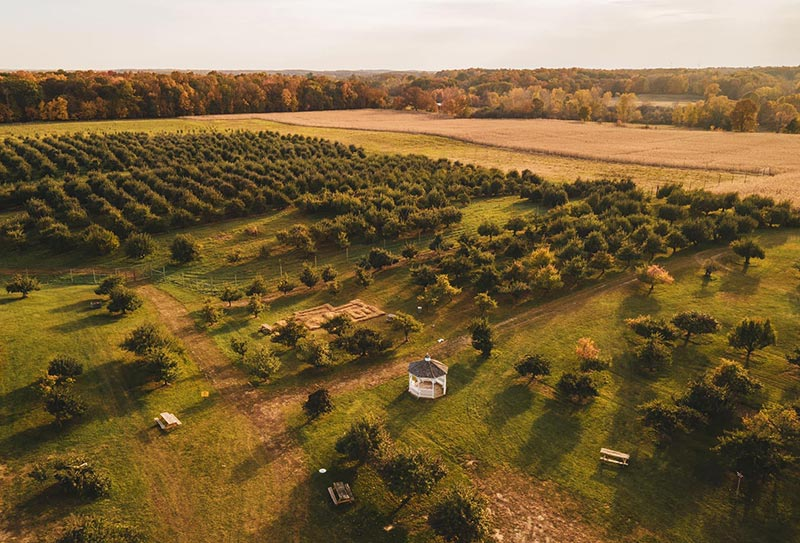
Growing up on the outskirts of the Detroit area, my family’s home was situated just north of suburban development, on the edge of the woods, not far from deep-rooted farmland. I could walk through a few backyards and a grassy field to reach an old apple orchard near our house. As you drove farther north and east, cornfields, fruit orchards, and dairy farms dotted the landscape.
Whenever I had the chance, I loved visiting those farms. Some of my favorite childhood memories involve visits to the local cider mill and family trips to pick apples in the fall. We stopped often at roadside stands in the summer, purchasing pints of delicate raspberries and a dozen ears of sweet corn. I loved the adventure of picking a pumpkin from the patch and the perfect Christmas tree with my dad. We visited nearby farms on school field trips, holding piglets and enjoying hayrides while the farmers shared stories. Since then, farms have always fascinated me. It was so much fun.
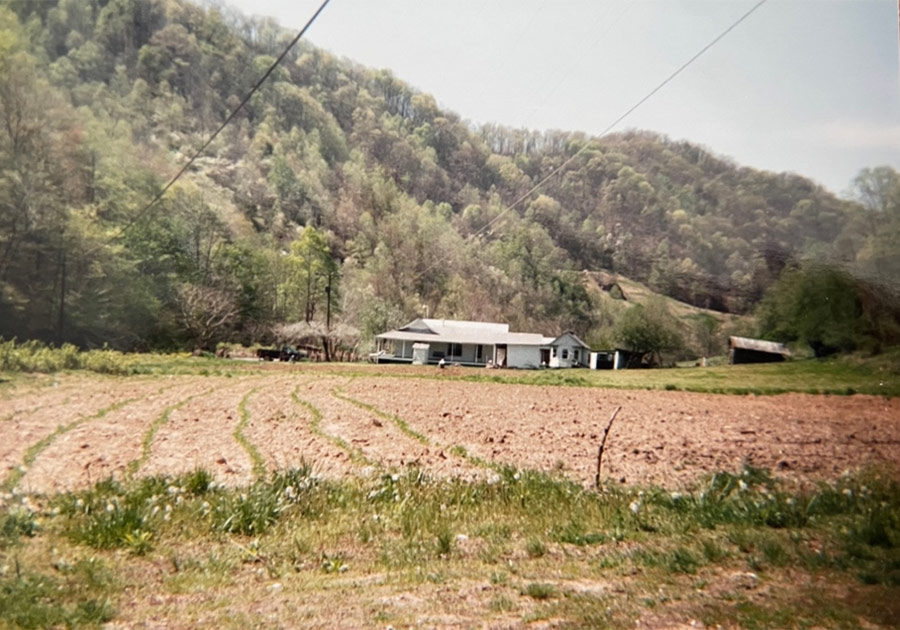
It took leaving my hometown, though, for me to realize a greater appreciation for those farms. It was my time volunteering in Appalachia, that had a huge impact on my perspective. Spending time in former Coal Camp towns and the surrounding hollers among the mountains, I was immersed in a new culture. I regularly visited local families in the area, especially the widowed wives of coal miners. I listened closely to their stories and watched how they spent their time. One thing I noticed: Everything connected back to the land.

One of my favorite projects was delivering garden seeds to families who couldn’t afford much. A handful of seed packets and a bag of fertilizer was a welcome sight to those families come springtime. They tilled, planted, weeded, and watered, and by midsummer, a garden full of produce was helping to feed the family. As soon as a crop came in, they were busy preserving the harvest. They dried apples and “shucky beans”, threading them on strings and hanging them to dry. They canned everything for the winter months – okra, sweet corn, beans, cucumbers, tomatoes, peppers. Each season revolved around whatever was growing in the garden. I especially remember a woman named Opal. She was spry and spirited, and she tended the most amazing garden I had ever seen. That was a lesson to me. She gratefully took the gift of seeds and made the most of it.

Opal in her garden in Eastern Kentucky
Throughout my time in Appalachia, despite the poverty that was prevalent in that particular area, there was reverence and anticipation for each season and the food that came with it. I loved listening to the conversations of the families as they worked in the garden or kitchen. I suddenly had a window into a world I hadn’t known before. It seemed both new and familiar at the same time. Your land was everything. The simple food it produced was everything. What else did you need? Just family to share it with.
I left Appalachia a different person. Since that time, I follow the seasons of the land. Planting a garden, planning meals around the harvest, and preserving some for winter. Freezing strawberries, blueberries, and cherries; drying herbs, onions, garlic, tomatoes, peppers and apples; canning peaches, tomatoes and pears; making homemade sauces and salsas to enjoy in January. It’s a normal rhythm of life now. Farmers have always been living this way. Some of us have to learn it. I’m connected to the land now – our own little garden and the land of local farmers who supply the things we don’t grow.

And how did this start? Visiting farms as a child and watching homesteaders as a young adult. Those experiences took me from simply enjoying the fun of farms into a true appreciation for farmers and agriculture as a whole – both small gardens and big farms. Most of us certainly can’t grow all of the food or the products we need, but there are farmers close by that can. We can connect ourselves to the land by buying more food grown close to home, learning to eat with the seasons, and supporting the farmers in our communities.
Because of the abundance of food that’s available throughout the year, it’s easy to live without any thought of the growing season. However, if you take the time to discover what’s in season at different times of the year– seek it out, experience it, pick it, cook with it, preserve it – a whole new world opens up to you. Like it did for me!
One of the best things I learned in Appalachia is to share the harvest. People I just met would regularly offer a kind gesture of homegrown produce or preserves – something worth such time and value! Today, I’m returning the gesture, leaving garden produce on the doorsteps of my neighbors and witnessing their delight as they taste a fresh tomato or cuke. Soon, they are asking for more. Once you’ve tasted a fresh tomato, it’s hard to go back! Each year, I’m noticing new gardens popping up in town, more people making a connection with food and land, and a growing desire to support local farms.

My story eventually brought me back to Michigan and led me to my work for Michigan Agritourism. Once I understood the value of farms, I had to share that passion with others, spread the word and find ways to support the farmers that do such important work for us all.
We have an amazing abundance of agriculture here in Michigan. There’s so much to explore! I’m glad you’ve found us here on our new website. It was designed to help you find farms that are open to the public and that have food and fun to share. I hope you find it helpful. Please reach out if you have any questions and tell us about your own Michigan Farm Fun journey. We’d love to hear from you!